

RLAN Rebuild Technic is a leader in the development of custom control systems. Our integrated, cross functional team of electrical, software, and mechanical engineers will advise, direct, and manage any control system development project. Whether the challenge is to design a new control, increase reliability, improve performance, or synchronize responses, RLAN Rebuild Technic thrives on solving the toughest challenges. From initial design consulting to turnkey product delivery, RLAN Rebuild Technic experts support all phases of the Control System development cycle.

A control system is a set of components and processes that work together to manage, regulate, and control the behavior of a system. All control systems, such as a mechanical governor on an engine or a digital thermostat on an electrical heater, are designed to ensure the system behaves in a desired manner by regulating its inputs, processes, and outputs.
The discipline of Control Systems Engineering focuses on modeling a diverse range of systems (e.g. mechanical, thermal, optical etc.) and the design of controllers (or control algorithms) that will cause these systems to behave in the desired manner, regardless of disturbances from the external environment.
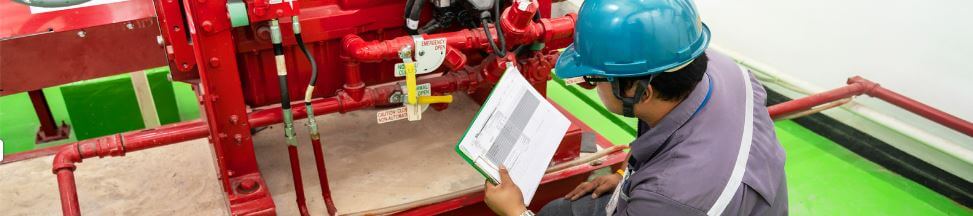


Examples of control systems include thermostats that regulate the temperature in a room, traffic lights that control the flow of traffic on a road, and feedback control systems that regulate the speed of a motor. Control systems are widely used in engineering, physics, chemistry, and other fields where it is necessary to maintain stability and optimize performance of a system.
Control systems are found in equipment and devices we encounter everyday, including:
- Autonomous Vehicles
- Industrial Controls
- Climate Control
- Smart Appliances
- Medical Diagnostic Equipmen
- Aerospace & Aircraft
- Surgical Robotics
- Water Treatment
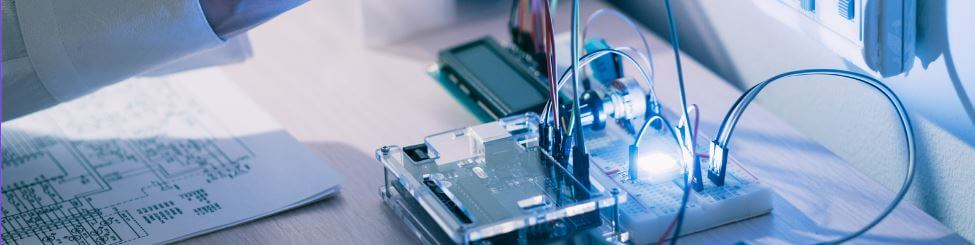
There are six primary drivers to designing/integrating a control system system for use in products:
- Increased Efficiency: A well-designed control system can optimize and automate processes, leading to improved efficiency and productivity. The system can detect inefficiencies and errors and take corrective action to improve performance.
- Consistent Quality: Control systems can ensure consistency in the output of a process, machine or system. By regulating and monitoring key variables, the system can maintain a consistent level of quality, which is important for meeting customer demands and regulatory requirements.
- Reduced Costs: A control system can help reduce costs by minimizing waste, reducing energy consumption, and preventing errors that may result in production downtime, rework, or scrap.
- Enhanced Safety: Control systems can improve safety by monitoring and controlling processes in hazardous environments. By automating processes, the system can reduce the risk of human error and prevent accidents.
- Real-Time Monitoring: Control systems can provide real-time data on the status of a process, machine or system. This allows operators to quickly identify and resolve issues before they become major problems.
- Scalability: Control systems can be designed to be scalable, allowing for easy expansion or modification of processes as needed. This makes them ideal for use in industries where production requirements may change over time.

Most products are designed with a steady state of output. But what is there is an external effect? In control systems, this effect is a called a disturbance, and acts upon the plant to disrupt the steady state. In the case of cruise control that would be an incline or a strong headwind causing the automobile’s speed to lower. Feedback through sensors allows for a measurement of system output, and the ability to respond to the disturbance. When the system senses an error signal, it can then address the issue and return to the commanded output.
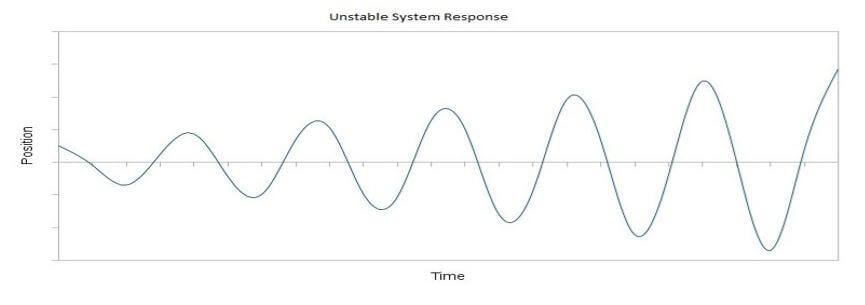
From determining requirements to testing and integration, designing a control system involves a disciplined approach. RLAN Rebuild Technic Controls Engineers employ their systems knowledge to move through the design process, collect the required information, and apply their years of experience in a structured, reviewable manner.
 Gather Requirements:
- What parameters need to be controlled?
- What is the plant?
- What does the response time need to be?
- What are the disturbance characteristics
- Choose Major System Components:
- Actuator
- Feedback Sensors(s)
- Model the System:
- Develop equations
- Perform stability analysis
- Select mathematical equation for the compensator
- Develop the algorithm
- Implement Compensator
- Utilize hardware of software
- Tune the System
- Adjust Algorithm as required
- Tune system by hand if required
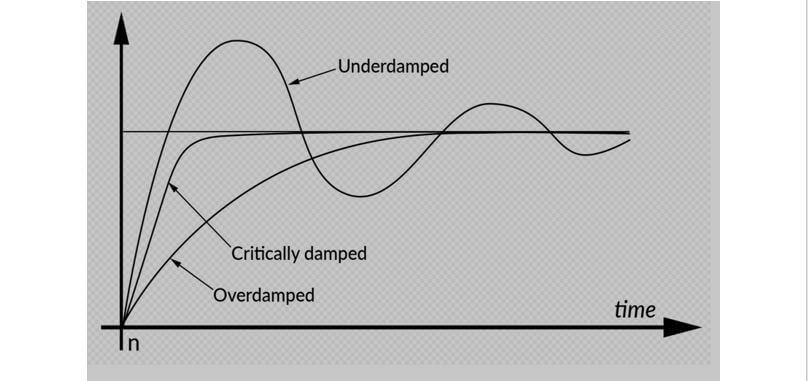
All elements of control system design are aimed at achieving one goal: getting system output to behave in a certain manner regardless of disturbances from the external environment. In the face of these potential disturbances, the Control System Engineer faces the challenge of modeling and implementing a system that performs exactly as intended. Not only does the system need to sense a performance error vs the existing performance command, it must properly compensate for the disturbance to return to the proper performance level. This response is critical, and tuning it to consistently perform is critical to a well designed control system.